Common warning signs homeowners notice
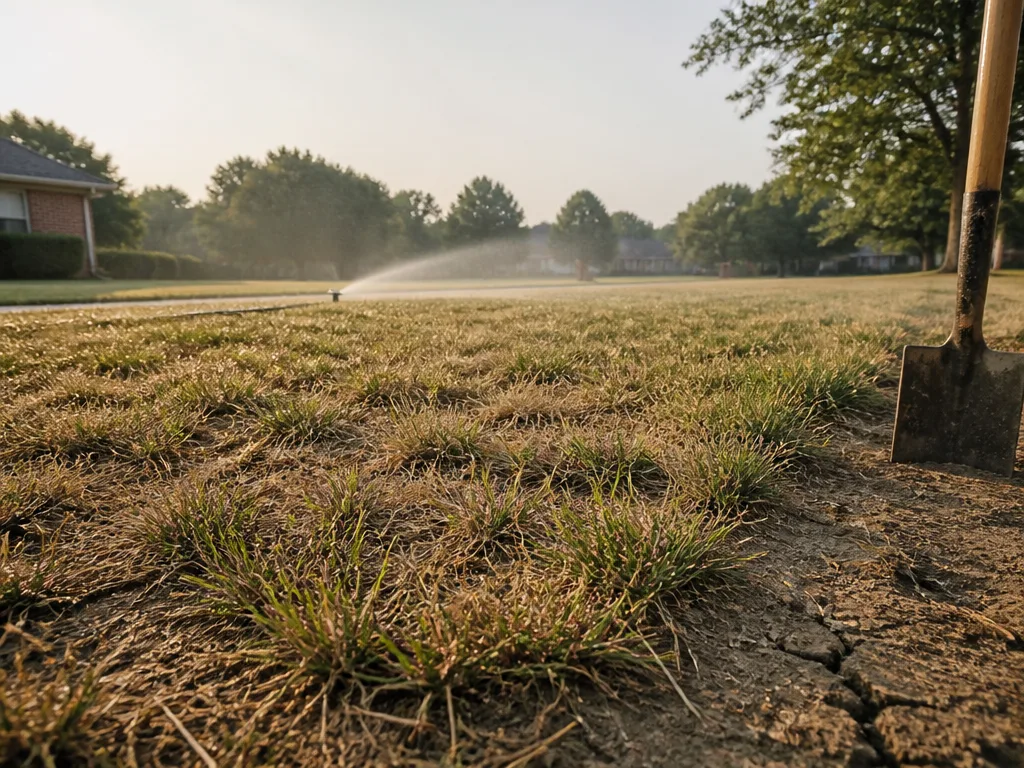
Across Mississippi, a healthy lawn should feel even underfoot and look uniform in color. When you start seeing irregular brown patches, this is often a sign something is off. You might notice areas that stay dry after a light rain, or spots that stay unusually dark and compact. Leaf blades that curl or claw at the ends can indicate moisture stress. Our lawn care specialists in Mississippi see these signals in every season and know where to start looking for the root cause.
Yellowing or pale patches across the lawn can come from a range of culprits, from compacted soil to thatch buildup or nutrient gaps. In Mississippi heat, lawns can become heat-stressed quickly if roots can’t access water and minerals. If you see patchy turf after a dry spell, or if the edges of a patch stay green while the center turns brown, it’s time to take a closer look, not just a quick fix.
Another warning sign is weed encroachment that climbs fast when the lawn is weakened. Crabgrass, dallisgrass, and bermudagrass can take over if the lawn care routine isn’t keeping pace with Mississippi’s growing seasons. If you’re pulling more weeds than you’d expect and the turf won’t fill back in, that points to deeper issues that a lawn care specialist can assess.
What those signals usually mean
Stressed turf often means the roots aren’t getting enough water or nutrients. Soil compaction is common in high-traffic yards or after heavy rain followed by sun. Thatch buildup can block water from reaching the soil. In Mississippi, rising humidity can also create fungal issues that show up as pale spots or patterned browning. A clear first step is to observe how the lawn looks after watering and to note any patterns related to shade, foot traffic, or recent weather changes.
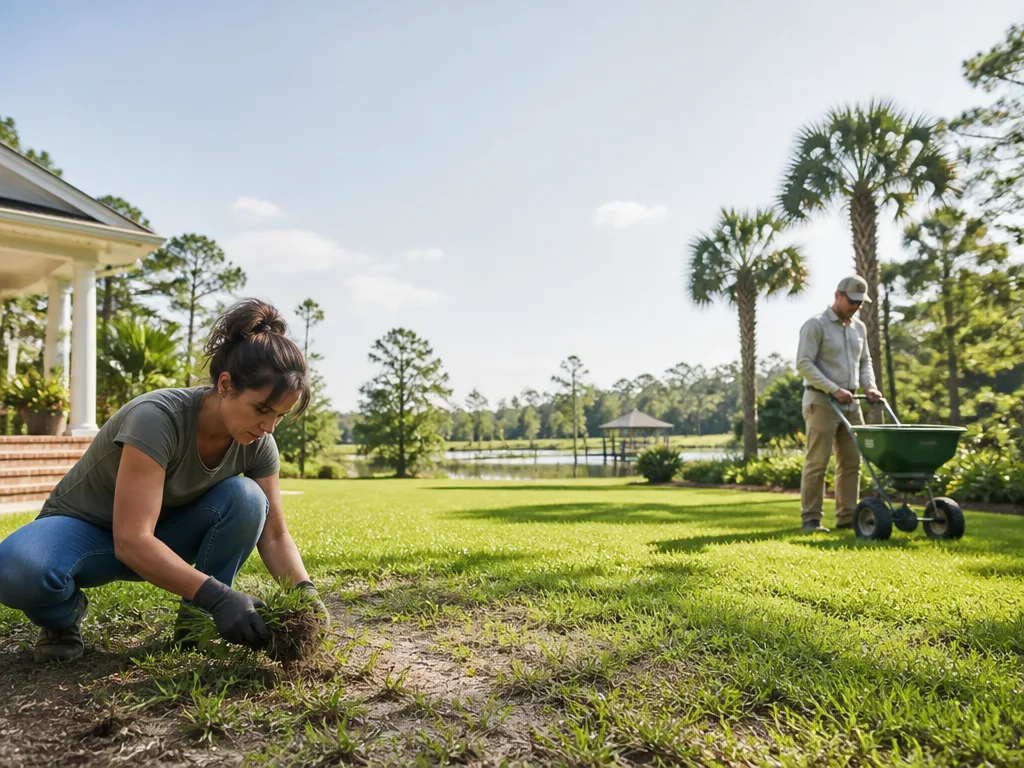
Our crew in Mississippi tends to investigate three layers: soil health, root zone moisture, and the green canopy above. Removing debris that blocks sunlight, loosening compacted soil, and adjusting a feeding schedule can make a big difference. The goal is to restore even color and uniform growth across the whole lawn, not just cover up symptoms.
Practical steps you can take now
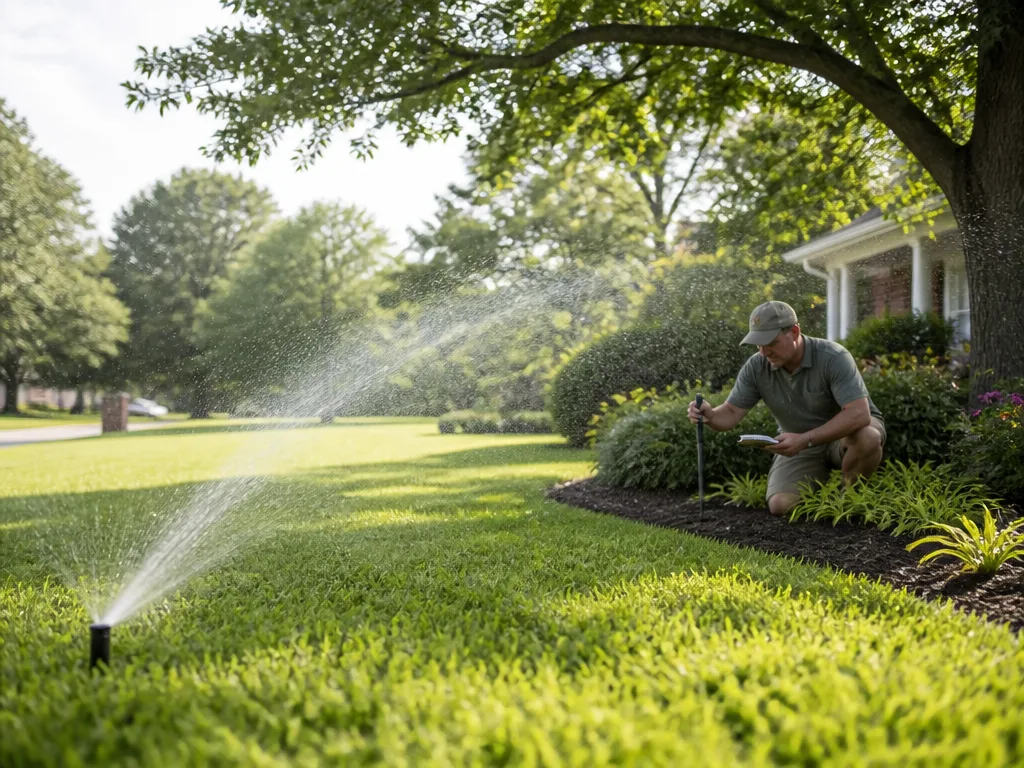
First, make sure your irrigation aligns with Mississippi’s climate. Water deeply and less often to encourage deep roots. A good rule is to water early in the morning and give turf about 1 inch of water per week, adjusting for rainfall. If you’re unsure, measure with a tuna can or a straight-sided container to gauge how much water you’re applying.
Next, give the lawn a gentle audit. Look for compacted areas in high-traffic zones and consider light aeration to improve root access to moisture and nutrients. Remove excess thatch if it’s thicker than half an inch. Then schedule a soil test to check pH and essential nutrients. In Mississippi, most yards benefit from a balanced nitrogen-phosphorus-potassium program tailored to the season.
Finally, keep an eye on weeds. As turf thins, weeds can sprint into the gaps. Our team can tailor a maintenance plan that discourages weeds while protecting your warm-season grasses and broadleaf species typical to Mississippi lawns.
When to call a lawn care specialist
If browning patches persist after a couple of weeks of consistent watering, or you notice sudden, repeating patches that expand, it’s time to bring in a professional. Our Mississippi crews can diagnose soil health, adjust watering practices, and recommend a targeted feeding plan designed for statewide conditions. A visit from a lawn care specialist can save you money and preserve your yard through the seasons across Mississippi.